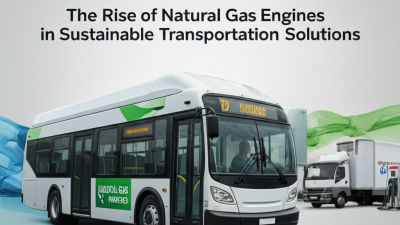
Unlocking Efficiency: The Rise of Natural Gas Engines in Sustainable Transportation Solutions
In the quest for sustainable transportation solutions,
natural gas engines
have emerged as a pivotal technology, poised to significantly enhance efficiency and reduce environmental impact.
According to the International Energy Agency (IEA), the global market for natural gas vehicles is expected
to reach over 50 million units by 2040, reflecting a CAGR
of 7% amidst rising environmental concerns and policy support for cleaner fuels. Furthermore, a report from the
Department of Energy highlights that natural gas engines can reduce CO2 emissions by up to
30% compared to traditional gasoline engines, while also decreasing
air pollutants such as nitrogen oxides and particulates. This transition is underscored by a growing portfolio
of infrastructure developments, including refueling stations, which are essential for supporting the broader
adoption of natural gas technology. As industries and governments prioritize sustainable practices,
natural gas engines represent a vital component in advancing
a greener, more efficient transportation landscape.
The Growing Demand for Natural Gas Engines in Transportation
The growing demand for natural gas engines in transportation reflects a significant shift toward sustainable energy solutions. This trend is underpinned by the global internal combustion engine market, which is anticipated to expand from $293.32 billion in 2025 to nearly $500 billion by 2032. The increasing interest in cleaner alternatives is evident, as natural gas and dual-fuel systems are gaining traction in various sectors, particularly in the United States. Projected growth for gas and dual-fuel injection systems is expected to reach approximately $448.4 million by 2035, showcasing a commitment to reducing emissions and enhancing fuel efficiency.
In the context of this evolution, the LNG engine market specifically exhibits a robust upward trajectory, estimated to jump from $5.4 billion in 2023 to over $10.7 billion by 2033. The compound annual growth rate of 7.1% indicates a strong industry confidence in natural gas as a key player in the future of transportation. As global energy consumption continues to rise, the strategic integration of natural gas engines into transportation solutions not only meets demand but also aligns with broader environmental goals, promoting a sustainable and efficient approach to mobility.
Comparative Analysis: Natural Gas vs. Traditional Fuel Sources
The transition towards sustainable transportation has seen natural gas engines gain significant traction, particularly when compared to traditional fuel sources. According to a report from the International Energy Agency, natural gas produces about 30% less carbon dioxide than gasoline and up to 45% less than coal. This cleaner alternative not only helps in reducing greenhouse gas emissions but also improves urban air quality, a critical concern for city dwellers globally.
Moreover, recent studies indicate that natural gas vehicles (NGVs) can deliver cost savings and performance advantages over their gasoline and diesel counterparts. The U.S. Department of Energy highlights that NGVs can reduce fueling costs by up to 50% when compared to traditional fuels—an appealing factor for fleet operators looking to minimize expenses.
Additionally, advancements in natural gas engine technology have resulted in enhanced efficiency, enabling longer ranges and increased power output without the environmental drawbacks associated with conventional fuels. As the push for greener solutions intensifies, the role of natural gas in transportation is becoming increasingly pivotal, positioning it as a viable competitor to traditional fuels.
Key Benefits of Implementing Natural Gas Engines in Vehicles
The implementation of natural gas engines in vehicles presents a number of compelling benefits that contribute to more sustainable transportation solutions. One significant advantage is the reduction in greenhouse gas emissions. Natural gas burns cleaner than traditional fuels, producing fewer carbon dioxide and other harmful emissions. This transition not only helps combat climate change but also improves air quality in urban areas, benefiting public health.
Additionally, natural gas engines offer cost-effectiveness for both operators and consumers. With prices generally lower than gasoline and diesel, fuel savings can lead to substantial operational cost reductions for commercial fleets. Furthermore, the abundant supply of natural gas, supported by advancements in extraction technologies, ensures a more stable and secure energy source. This reliability enhances energy independence and diminishes the volatility associated with oil markets, making natural gas an attractive option for vehicle fleets aiming for long-term sustainability.
Challenges and Solutions in Transitioning to Natural Gas Technology
The transition to natural gas engines in transportation presents both significant challenges and innovative solutions. One of the primary hurdles is the development of the infrastructure necessary for refueling. According to the U.S. Department of Energy, there are currently over 1,800 natural gas fueling stations in the United States, which is insufficient to support widespread adoption. Expanding this network will require significant investment and collaboration between government and private sectors to ensure that natural gas vehicles (NGVs) have the accessibility they need.
Another challenge is the initial cost of transitioning from traditional diesel engines to natural gas technology. A 2022 report from the American Natural Gas Association highlighted that while natural gas engines can reduce fuel costs by approximately 30% compared to diesel, the upfront costs—ranging from $10,000 to $30,000 more per vehicle—can deter many fleet operators. However, solutions are emerging, such as state and federal incentive programs that aim to offset these costs. Additionally, advancements in technology and economies of scale are beginning to narrow the cost gap, making NGVs a more attractive option for sustainable transportation.
Future Trends: Innovations in Natural Gas Engine Development
The transportation sector is increasingly focusing on sustainable alternatives, with natural gas engines gaining traction due to their lower emissions and cost-effectiveness. According to a recent report from the International Energy Agency (IEA), the usage of natural gas in transportation is expected to grow by 45% by 2040, driven by technological innovations and regulatory support aimed at reducing carbon footprints. This surge indicates a pivotal shift towards cleaner energy sources in various transport segments, including heavy-duty trucks and public transit systems.
Future trends highlight significant innovations in natural gas engine development, focusing on efficiency-enhancing technologies. Manufacturers are investing in advanced turbocharging and fuel injection systems to optimize engine performance while minimizing pollutants. A study by the Gas Technology Institute (GTI) projects that these advancements could increase the energy efficiency of natural gas engines by up to 25%. This improvement not only benefits operators in terms of fuel costs but also contributes to meeting stringent environmental standards.
Tip: When considering natural gas as a transportation fuel, evaluate the compatibility of your fleet with existing infrastructure to maximize the benefits of this transition. Exploring partnerships with local providers can also ease the path towards sustainable operations.