Innovative Strategies for Enhancing Oilfield Production Equipment Efficiency
In the rapidly evolving landscape of energy production, the efficiency of oilfield production equipment has become paramount for maximizing output and minimizing operational costs. As the demand for oil continues to fluctuate amidst environmental concerns and technological advancements, innovative strategies must be employed to enhance the performance of these critical assets. This paper explores the concept of "Digital + Best Practices" as a transformative approach that integrates cutting-edge digital technologies with proven operational methodologies.
By leveraging data analytics, automation, and real-time monitoring, organizations can optimize maintenance schedules, streamline workflows, and increase overall equipment reliability. Such enhancements not only boost productivity but also contribute to more sustainable practices in the oil and gas industry.
Ultimately, the synergy between digital innovations and best practices offers a pathway to not only meet current challenges but also position for future growth in oilfield production efficiency.
Advanced Data Analytics for Monitoring Oilfield Production Equipment Performance
The integration of advanced data analytics into oilfield production equipment performance monitoring represents a significant advancement in the industry. As per a report by McKinsey, companies that leverage analytics can improve their production efficiency by up to 6-8%. This improvement stems from the ability to analyze real-time data from various sensors placed on equipment, allowing operators to predict failures before they occur and optimize maintenance schedules accordingly.
In addition, a recent study conducted by the U.S. Department of Energy highlighted that the implementation of predictive analytics can lead to a 20% reduction in unplanned downtime in oilfield operations. By utilizing machine learning algorithms to assess the operational data, companies can gain insights into performance trends and identify anomalies that could indicate a need for intervention. These strategies not only enhance the overall efficiency of the equipment but also contribute to safer and more sustainable operations by minimizing waste and resource consumption during production cycles.
Innovative Strategies for Enhancing Oilfield Production Equipment Efficiency
| Parameter |
Description |
Value |
Unit |
| Production Rate |
Oil extraction rate from well |
1500 |
barrels/day |
| Pump Efficiency |
Percentage of pump output to input |
85 |
% |
| Energy Consumption |
Total energy used by equipment |
1200 |
kWh |
| Downtime |
Total time equipment is not operational |
5 |
hours/week |
| Maintenance Frequency |
Number of maintenance checks performed |
2 |
times/month |
Integrating IoT Technology to Optimize Equipment Maintenance Schedules
Integrating IoT technology into oilfield production equipment maintenance is revolutionizing operational efficiency. The global digital twin market, valued at $15.23 billion in 2023, is projected to grow to $20.82 billion in 2024 and soar to $238.88 billion by 2031, reflecting a compound annual growth rate of 41.70%. This substantial growth underlines the increasing relevance of digital solutions, driven particularly by predictive maintenance that utilizes IoT data to optimize maintenance schedules.
In the oil and gas sector, the fusion of IoT with maintenance strategies enables real-time monitoring of equipment conditions, leading to more informed decision-making. By harnessing digital twins and predictive maintenance technologies, operators can anticipate failures before they occur, thus significantly reducing downtime and maintenance costs. The trend towards smart infrastructures, incorporating cutting-edge technologies like AI and big data analytics, further enhances the capacity for efficient resource management and operational excellence across the industry.
Leveraging Machine Learning for Predictive Analysis in Production Efficiency
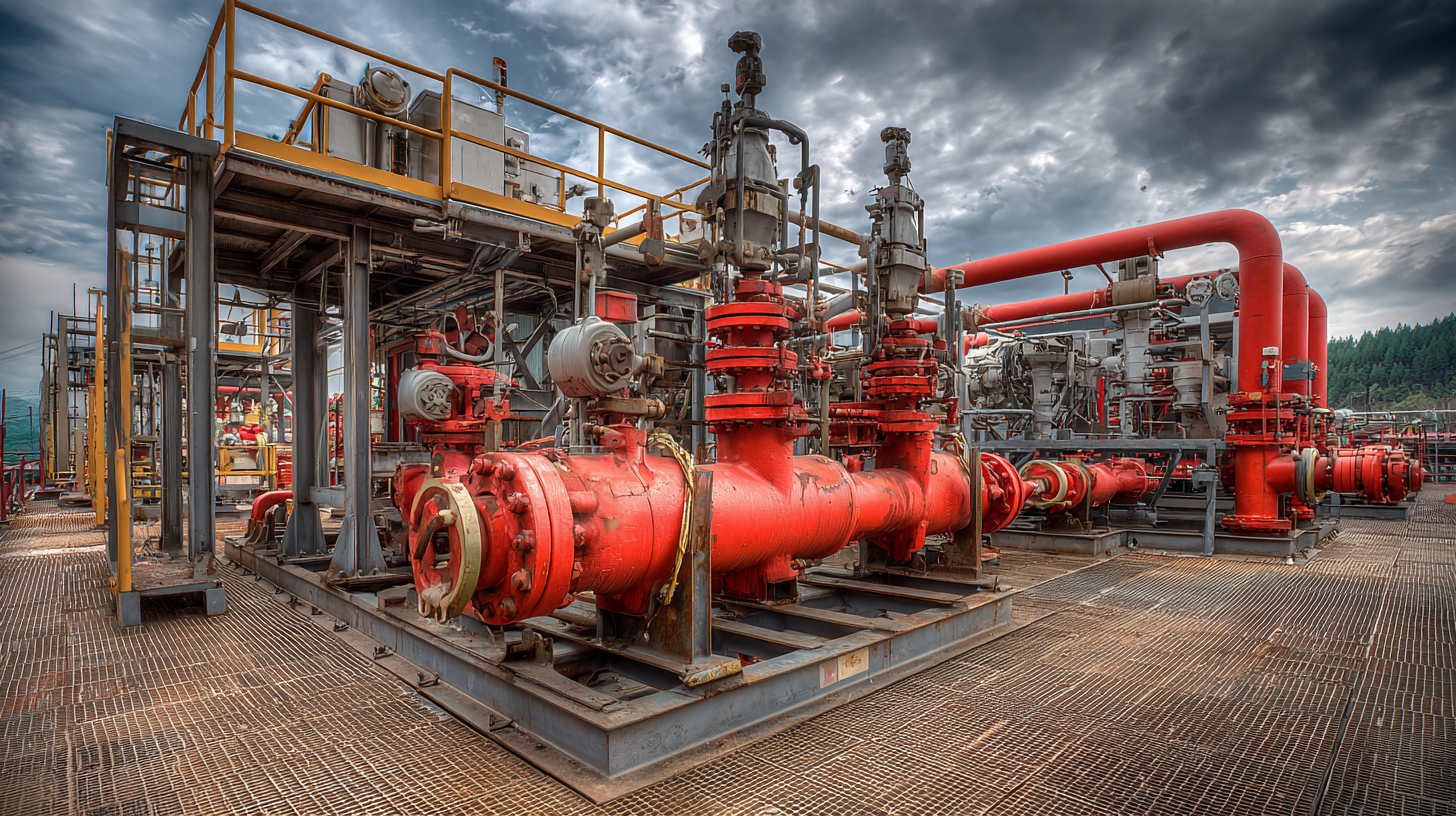
The integration of machine learning into oilfield production equipment management is revolutionizing how companies approach efficiency. By utilizing predictive analysis, operators can anticipate equipment failures and maintenance needs before they occur. Machine learning algorithms analyze historical data to identify patterns and anomalies, allowing teams to implement proactive measures that minimize downtime and optimize production rates. The ability to predict when equipment is likely to require servicing not only saves costs but also significantly enhances overall operational efficiency.
Moreover, machine learning can assist in optimizing drilling processes and workflows. By analyzing data from various sensors and monitoring systems, these algorithms can suggest adjustments in real-time, enhancing the decision-making process. For instance, production teams can determine the most effective pumping rates and improve the performance of recovery methods, leading to higher yields from existing assets. The continual feedback loop facilitated by machine learning ensures that the operations remain agile and responsive to changing conditions, ultimately driving productivity and sustainability in oilfield management.
Implementing Remote Sensing Solutions for Real-Time Equipment Assessment
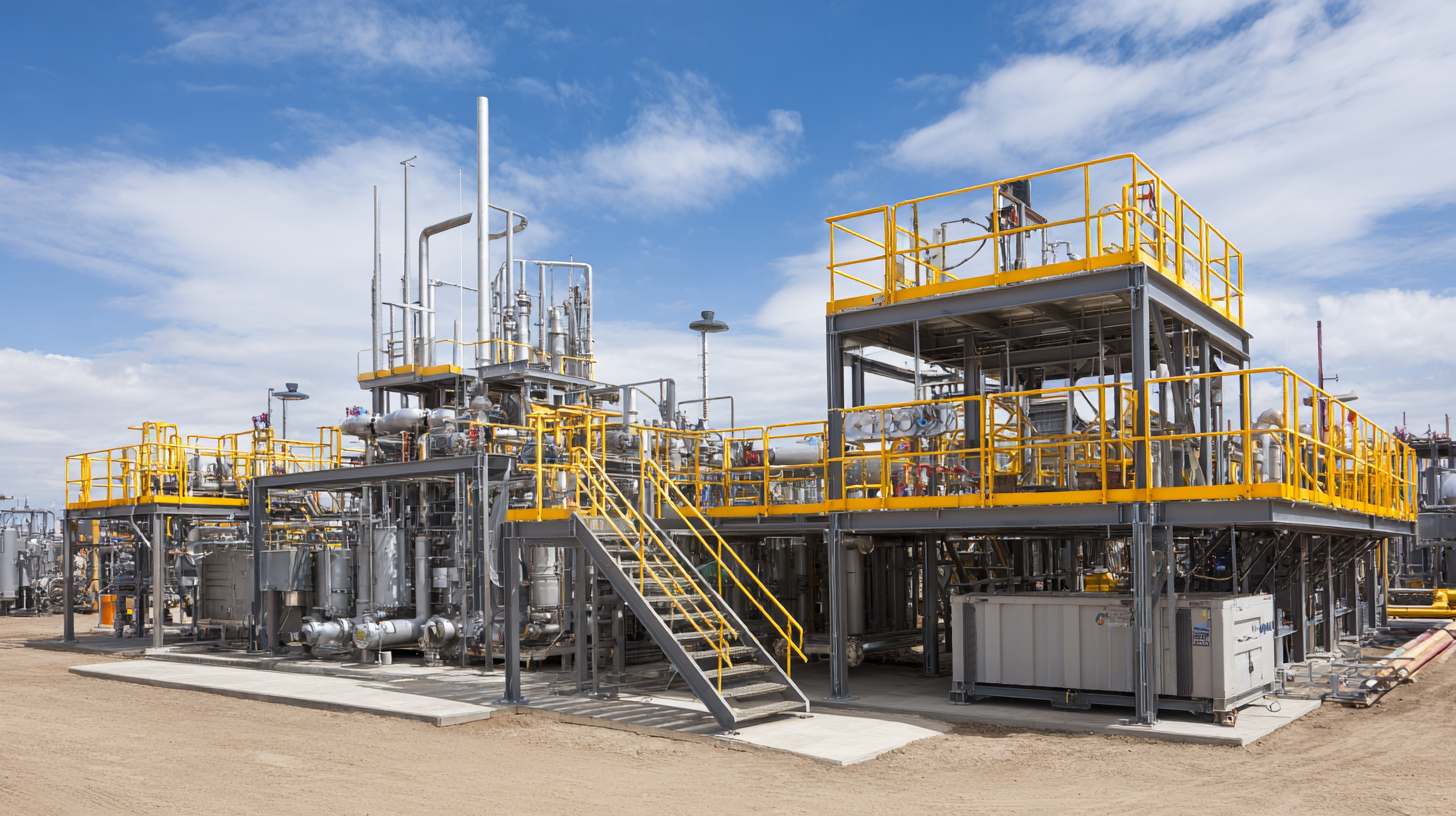
In the evolving landscape of oilfield production, implementing remote sensing solutions offers a transformative approach to real-time equipment assessment. These innovative technologies harness satellite imagery and ground-based sensors to provide continuous monitoring of oilfield production equipment. By analyzing data on equipment performance and environmental conditions, operators can identify inefficiencies and potential failures before they escalate into costly downtime. This proactive approach not only enhances operational efficiency but also ensures safety and compliance with regulatory standards.
**Tips:** To effectively utilize remote sensing technologies, consider investing in training for your team to interpret data accurately. Additionally, integrating these insights into your maintenance schedules can lead to more informed decision-making processes.
Leveraging remote sensing can also improve workflow by automating routine inspections and reporting. This not only saves time but also enhances accuracy, as sensors can detect anomalies that may be missed during manual checks. By combining real-time data with advanced analytics, companies can optimize performance, reduce maintenance costs, and prolong the lifespan of their equipment.
**Tips:** Regularly review and update your remote sensing technology to keep up with advancements in the field. Collaborate with tech providers to ensure your systems are tailored to your specific operational challenges for maximum effectiveness.
Enhancing Workforce Training with Virtual Reality Simulations in Oilfields
Virtual reality (VR) simulations are revolutionizing the way workforce training is conducted in oilfields. This innovative approach allows employees to immerse themselves in realistic scenarios without the risks associated with on-site training. By utilizing VR, workers can practice complex procedures, understand equipment operation, and respond to emergency situations in a controlled environment. This hands-on experience enhances their confidence and competence, ultimately improving overall safety and productivity in oilfield operations.
Tips for implementing VR training effectively include starting with a clear outline of your training objectives. Identify specific skills that need improvement and tailor VR modules to address these areas. Moreover, incorporating feedback mechanisms within the simulation will help trainers assess the performance of participants and make necessary adjustments to further refine the training experience.
Another key tip is to ensure the accessibility of the VR technology for all workers. Providing training sessions that accommodate different learning styles and schedules can lead to a more inclusive training program. By prioritizing engagement and interactivity in the VR simulations, oilfield operators can foster a culture of continuous learning, paving the way for enhanced efficiency in oilfield production equipment operations.
Innovative Strategies for Enhancing Oilfield Production Equipment Efficiency
This chart illustrates the efficiency improvements in oilfield production equipment as a result of enhanced workforce training using virtual reality simulations. Data shows a significant efficiency increase over three years following the implementation of virtual training methods.