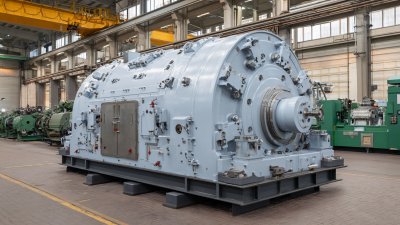
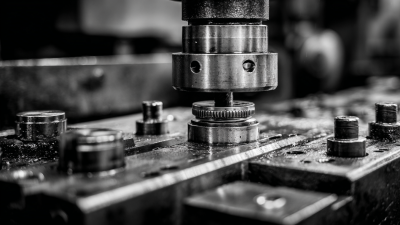
Exploring the Future of Oilfield Equipment: Innovations Transforming the Industry Landscape
The future of oilfield equipment is poised for transformative changes driven by
technological innovations that promise to reshape the industry landscape. Recent market research indicates that the
global oilfield equipment market is expected to reach $170 billion by 2025,
growing at a compound annual growth rate (CAGR) of 5.6% from 2020 to 2025. This growth is fueled by
advancements in automation, artificial intelligence, and eco-friendly technologies that enhance operational efficiency
and reduce environmental impact. Moreover, the shift towards digitalization in oil and gas operations has led to
the integration of IoT applications and smart sensors in oilfield equipment, enabling real-time data analysis and
predictive maintenance. As the industry confronts the challenges of fluctuating oil prices and increased
regulatory scrutiny, these innovations not only drive productivity but also contribute to sustainability
efforts, ensuring the oilfield equipment sector remains competitive and resilient in the evolving energy landscape.
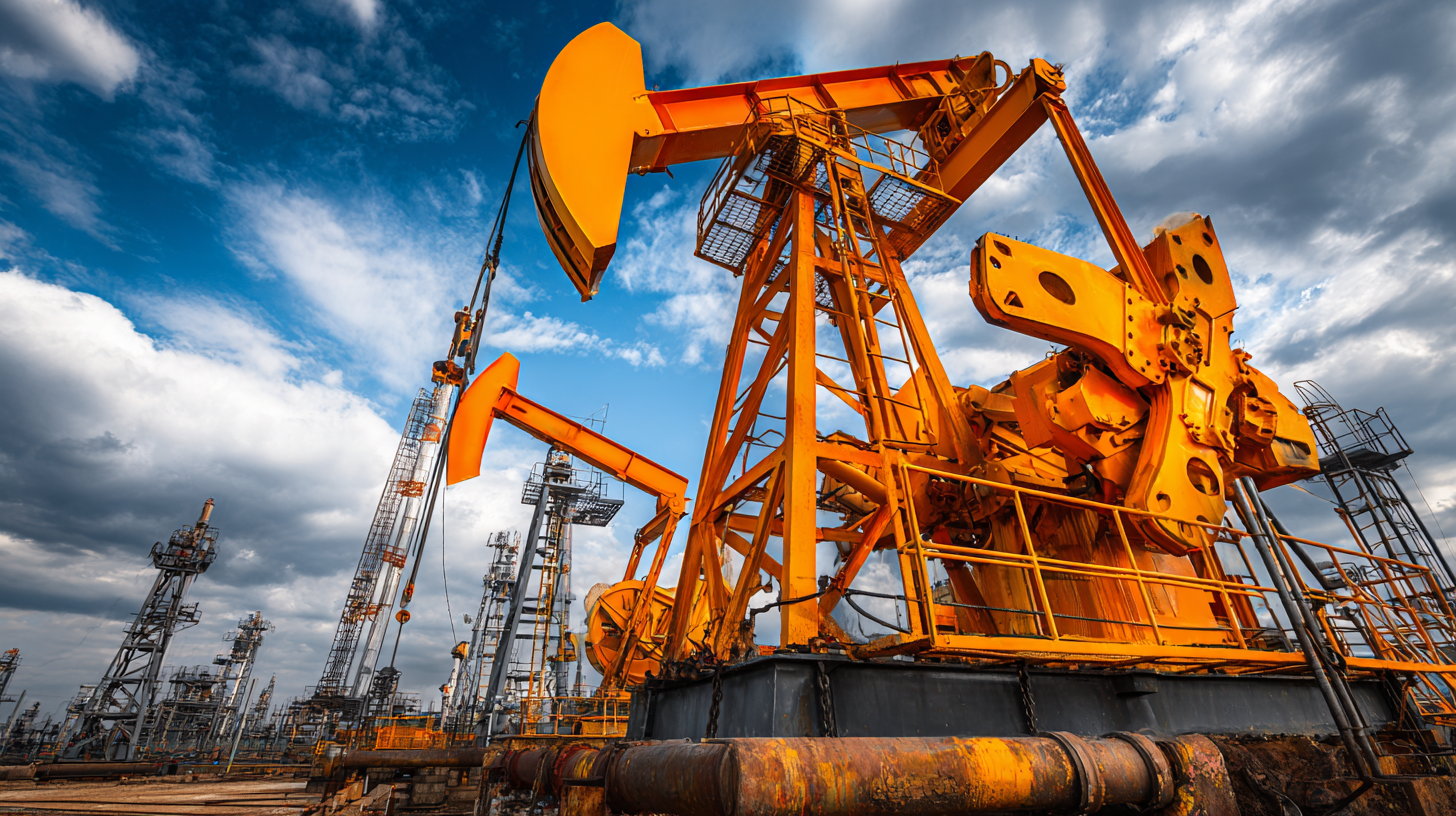
How to Embrace Advanced Technologies for Enhanced Oilfield Efficiency
The future of oilfield equipment is being dramatically reshaped by advanced technologies that promise to enhance efficiency and productivity. Integrating innovations such as IoT (Internet of Things) sensors and AI-driven analytics allows companies to monitor equipment performance in real time, predicting maintenance needs before they turn into costly failures. Utilizing data analytics enables proactive decision-making, optimizing operations and reducing downtime. By embracing these technologies, oilfield operators can achieve more streamlined workflows and greater operational resilience.
Moreover, automation plays a crucial role in modernizing oilfield equipment. Implementing robotics and automated drilling rigs not only increases precision but also enhances worker safety by reducing human exposure to hazardous conditions. Additionally, digital twins—virtual replicas of physical systems—enable operators to simulate various scenarios, leading to improved planning and resource allocation. Through these advanced methods, the industry can move toward more sustainable practices while maximizing output and minimizing environmental impact. Embracing these innovations is essential for oilfield companies aiming to remain competitive in a rapidly evolving landscape.
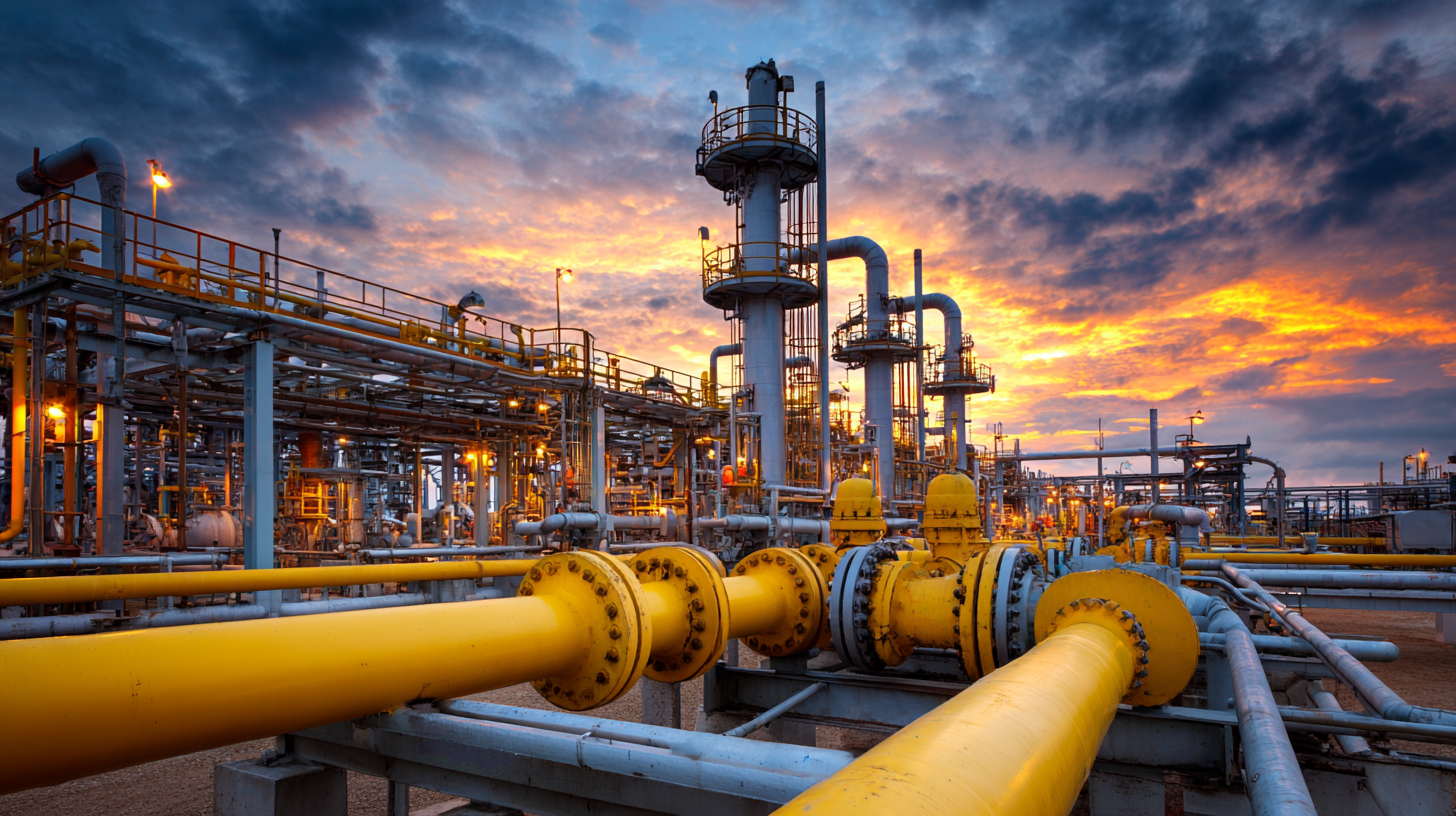
How to Integrate IoT and Big Data Analytics in Oilfield Operations
The integration of IoT and big data analytics into oilfield operations is poised to revolutionize the industry. By leveraging IoT devices, companies can collect real-time data from various sources, such as drilling equipment, pipelines, and environmental conditions. This connectivity allows for better monitoring of equipment performance and early detection of potential failures, significantly reducing downtime and maintenance costs. With sensors and smart devices installed across the oilfields, operators can obtain a continual stream of actionable insights that enhance decision-making processes.
Big data analytics complements IoT by processing the vast amounts of data generated from these devices. Advanced algorithms can identify patterns and trends that may not be immediately apparent, enabling predictive maintenance and optimizing resource allocation. For instance, data analytics can reveal drilling inefficiencies, suggesting adjustments in technique or equipment usage that maximize productivity. Additionally, the integration of machine learning models aids in refining predictive capabilities, offering deeper insights that lead to more informed strategic planning and operational improvements. Together, IoT and big data analytics form a powerful synergy that not only streamlines oilfield operations but also fosters sustainability and innovation in a rapidly evolving market.
How to Utilize Renewable Energy Solutions in Oil Extraction Processes
As the oil and gas industry faces increasing pressure to reduce carbon emissions, integrating renewable energy solutions into oil extraction processes has become essential. A report from the International Energy Agency (IEA) suggests that by 2040, about 20% of the global oil and gas industry's energy needs could be met through renewable sources. This shift not only aligns with international climate goals but also enhances operational efficiency and reduces costs in the long run.
Harnessing renewable energy, such as solar and wind, to power oilfield equipment can significantly decrease reliance on fossil fuels. The U.S. Department of Energy reports that utilizing renewable energy in oil extraction could reduce greenhouse gas emissions by up to 15% per barrel of oil produced. Moreover, advancements in battery storage technology are enabling more reliable energy supply, which is crucial for maintaining continuous operations in remote oilfield locations. As companies embrace these innovative approaches, they not only contribute to sustainability but also position themselves competitively in an evolving energy market.
Innovations in Oilfield Equipment: Impact of Renewable Energy in Oil Extraction
How to Foster Collaboration Between Tech Startups and Oilfield Operators
The oilfield equipment industry is on the brink of transformation, underpinning the need for effective collaboration between tech startups and oilfield operators. To harness innovation, it's crucial to create a conducive environment where both parties can share insights and resources. Regular networking events, workshops, and hackathons can bridge the gap, allowing startups to showcase their technologies while operators articulate their specific challenges and needs. This mutual engagement fosters a deeper understanding of industry pain points and inspires tailored solutions that enhance operational efficiency.
Moreover, creating strategic partnerships can lead to pilot programs that benefit both tech innovators and oilfield companies. By initiating joint ventures that allow startups to test their technologies in real-world settings, operators can also evaluate emerging solutions without substantial upfront investment. Such collaborations enable the rapid iteration of ideas, ensuring that innovations are both practical and aligned with the operational realities of the oilfield. Emphasizing communication and transparency will be key to nurturing these relationships and driving the industry's evolution in the face of changing energy demands.
Exploring the Future of Oilfield Equipment: Innovations Transforming the Industry Landscape
| Innovation Type |
Description |
Impact on Industry |
Collaboration Opportunities |
| IoT Integration |
Utilizing sensors and networks to monitor equipment performance and predict failures. |
Increased efficiency and reduced downtime through predictive maintenance. |
Partnerships for development of IoT applications tailored for oilfields. |
| AI and Machine Learning |
Applying algorithms to optimize drilling operations and resource allocation. |
Enhanced decision-making and operational efficiency. |
Collaboration with tech startups for data analytics tools and platforms. |
| Robotic Automation |
Deployment of drones and robotic systems for remote operations and inspections. |
Improved safety and reduced labor costs. |
Joint ventures to innovate robotic technologies for specific tasks in oilfields. |
| Advanced Materials |
Development of materials that withstand extreme conditions, reducing wear and tear. |
Lower operational costs and increased lifespan of equipment. |
Research collaborations to explore new materials science advances. |
| Remote Operation Technologies |
Solutions that enable control of drilling and production from remote locations. |
Greater flexibility and improved worker safety. |
Partnering with software developers to enhance remote operation systems. |
How to Implement Sustainable Practices in Modern Oilfield Equipment Management
The oilfield equipment industry is experiencing a significant shift towards sustainable practices, driven by the urgent need to minimize environmental impacts. Implementing sustainable practices in oilfield equipment management begins with a comprehensive assessment of existing operations. Companies can adopt eco-friendly technologies, such as energy-efficient drilling rigs and automated monitoring systems that reduce fuel consumption and emissions. Additionally, leveraging data analytics allows operators to optimize equipment usage, identify maintenance needs early, and minimize waste through predictive maintenance.
Furthermore, collaboration with suppliers to source biodegradable lubricants and recycled materials for equipment manufacturing plays a vital role in sustainable management. Training employees in best practices for sustainable operations not only enhances awareness but also fosters a culture of responsibility within the workforce. Moreover, transparent reporting on sustainability metrics can enhance corporate accountability and build trust with stakeholders. By prioritizing these sustainable practices, the oilfield equipment industry can not only thrive economically but also contribute positively to environmental stewardship and community well-being.